The Scottish Council for Voluntary Organisations is the membership organisation for Scotland's charities, voluntary organisations and social enterprises. Charity registered in Scotland SC003558. Registered office Caledonian Exchange, 19A Canning Street, Edinburgh EH3 8EG.
The work of the social care sector may sometimes be hard for the public to see, but it is a powerful force in communities across Scotland. It transforms lives, boosts the economy, and eases pressures on other public services, including the NHS. Yet decades of underinvestment have placed the sector in a perilous position.
Voluntary sector social care and support providers deliver an extraordinary range of essential services, supporting older people, disabled people, people with mental health needs, people experiencing homelessness, and so many others to live full, independent lives within their communities. This work is not only vital to the individuals and families who depend on it; it is fundamental to the functioning of our wider health and social care system.
Yet the organisations delivering this essential work do so within a funding landscape that is, quite simply, unsustainable. Much of the funding available is delivered through short-term contracts and commissioning arrangements that fail to reflect the true cost of delivering high-quality care and support. Standstill settlements and inflationary uplifts that fail to keep pace with rising costs, particularly the costs associated with employing a skilled, valued workforce, are placing enormous strain on organisations already stretched to breaking point.
The impact of this funding environment is felt most acutely by the workforce, and by the people who rely on their support. Underfunding makes it extraordinarily difficult for providers to pay their staff fairly, to offer the terms and conditions that reflect the skill and value of the work, and to recruit and retain the workers on whom the entire system depends. The result is a workforce crisis that threatens the sustainability of the sector as a whole.
Fair Funding would provide the stability and security that voluntary sector social care providers so desperately need. Funding that reflects the true cost of delivering high-quality care and support, including the cost of a fairly paid, valued workforce, would allow the sector to plan ahead, retain skilled staff, and continue delivering the essential care and support that people across Scotland rely on.
Few sectors are as essential, or as under pressure, as social care. Every day, across Scotland, voluntary sector social care and support providers deliver the care and support that enables older people, disabled people, and many others to live full, independent lives within their communities. This work is fundamental not only to the people who rely on it but to the functioning of our entire health and social care system, easing pressure on the NHS and supporting people to remain well and independent for longer.
Yet the organisations delivering this essential work are operating within a funding landscape that is, by widespread agreement, unsustainable. Short-term contracts, commissioning arrangements that fail to reflect the true cost of care, and settlements that fail to keep pace with rising costs are all combining to place the sector in an increasingly perilous position, with profound consequences for the workforce and the people they support.
“The funding simply doesn’t reflect the true cost of delivering high-quality care,” explains a social care provider. “We’re expected to deliver more and more, to higher and higher standards, but the funding just isn’t there to make it possible.”
“We struggle to pay our staff what they deserve,” admits an organisation supporting disabled people. “These are skilled, dedicated workers doing incredibly demanding work, but the funding doesn’t allow us to reward them fairly, and we lose them as a result.”
“The uncertainty of short-term contracts makes it impossible to plan,” adds a provider of care and support services. “We can’t offer our staff security, we can’t invest in developing our services, and it’s the people we support who ultimately pay the price.”
The implementation of Fair Funding would allow voluntary sector social care providers to move away from this unsustainable position, providing the stability and security needed to plan ahead, pay staff fairly, and continue delivering the essential care and support that people across Scotland rely on, while also easing pressure on the wider health and social care system.
“We imagine a day with Fair Funding providing security, sustained services, and employment,” says the social care provider. “It would transform not only our organisation but the lives of the people we support and the staff who deliver that support.”
Case Study: Inconsistent uplifts – differing local authority interpretations (anonymised)
Organisation G is a voluntary sector provider of social care and support, delivering essential services to people across a number of local authority areas in Scotland. Supporting people to live full, independent lives within their communities, the organisation works with a range of people, including older people, disabled people, and people with a variety of care and support needs. Its skilled, dedicated workforce is central to everything it does.
Operating across multiple local authority areas, however, means that Organisation G must navigate a complex and inconsistent funding landscape, in which different local authorities interpret and apply funding arrangements in markedly different ways. This is particularly evident when it comes to the application of inflationary uplifts, where the organisation has found that the approach taken can vary significantly from one local authority to the next.
This inconsistency creates real and significant challenges for the organisation. Where uplifts are not applied, or are applied at a level that fails to reflect the real rise in costs, particularly the costs associated with employing and fairly rewarding a skilled workforce, the organisation is effectively left to absorb the shortfall. This places enormous strain on already stretched finances and makes it increasingly difficult to sustain services and pay staff fairly.
The differing interpretations and approaches across local authorities also create a significant administrative burden, as the organisation must navigate multiple sets of arrangements, requirements, and expectations. This diverts valuable time and resources away from the delivery of frontline care and support, while the underlying inconsistency makes it extremely difficult to plan ahead with any real confidence or to ensure equitable treatment of staff working across different areas.
For Organisation G, the implementation of Fair Funding – including consistent, fair, and adequate inflationary uplifts that reflect the true and rising costs of delivering high-quality care and support – would provide the stability and security needed to sustain its vital work. It would allow the organisation to plan ahead, pay its workforce fairly, and continue delivering the essential care and support that people across Scotland rely on.


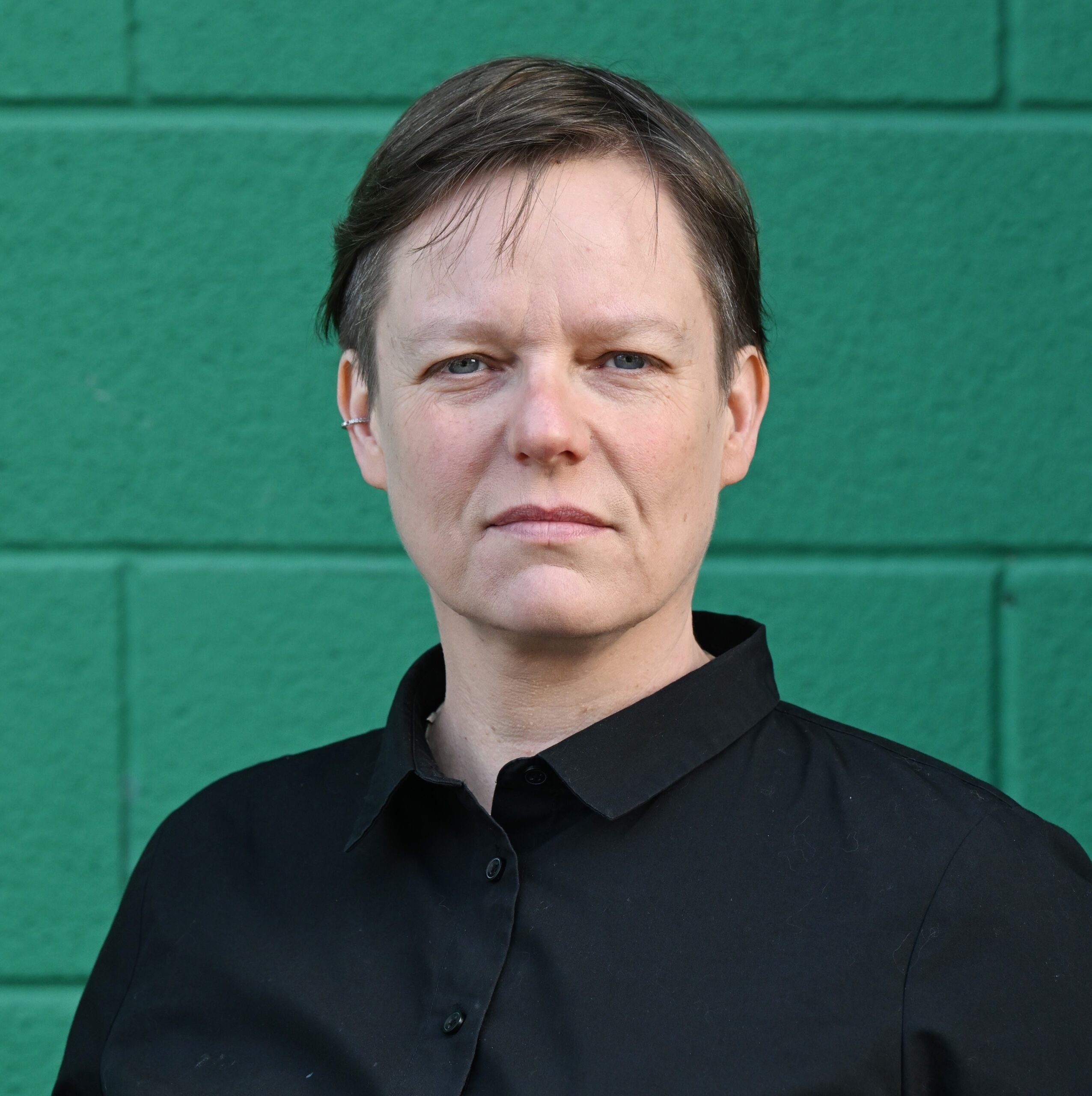 Rachel Cackett,