In Real Life : Climate adaptation in Oxgangs, Edinburgh Edible Estates
Scotland’s greenhouse gas emissions have fallen by more than 50% since 1990; and from central government to tiny grassroots organisations, thousands of organisations and individuals are working to reach net zero by 2045. However, the science tells us that Scotland’s climate is already changing; and we can see that for ourselves, from intense winter storms to record-breaking dry summers. These changes will have consequences for our towns, buildings, businesses and health. It’s clear that as well as minimising our impact on the climate, we need to start adapting to the changes which are already happening.
In an era when the word “climate” causes many of us to simply switch off, adding a new challenge to the debate is particularly difficult. Edible Estates, a social enterprise supporting community gardens in Edinburgh, took on this tricky adaptation question last year, aiming to engage some of Edinburgh’s communities in climate adaptation planning for their own areas.
The goal was to bring communities together in council estates- communities who historically haven’t been included in debates around climate- to discuss what climate change will mean for their communities, and to map out their own path to protecting the community from the negative effects of climate change.
For example, in Oxgangs, a council estate on the Southern outskirts of Edinburgh, flooding is already an issue. The estate has seen roads completely blocked and houses invaded by flood waters several times, and climate change is only going to make things worse.
In four estates including Oxgangs, Edible Estates hired and trained community researchers - local residents who already know their communities- who were paid to work on the project. In Oxgangs, two members of a new gardening group - Alison and Denise- offered to be community researchers. In three other council estates in Edinburgh, local residents who were involved in community gardens, Living Rent groups, and community trusts, became community researchers too.
Community Researching
Alison, Denise and the other community researchers received training in climate science and community engagement- but in many ways they were already experts: experts in their own area, the community organisations which exist, the tensions and sensitivities, and the messages that their neighbours would resonate with.
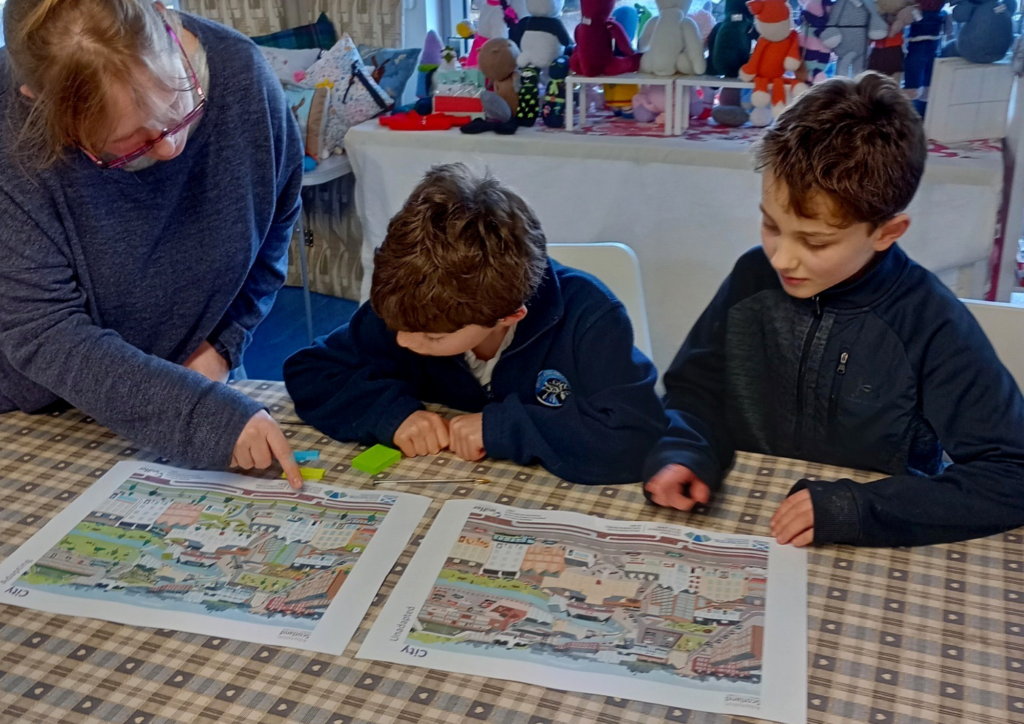
This helped the pair to arrange workshops with different organisations: from the local high school to a craft social enterprise; to an event for anyone and everyone in the community. The pair used creative activities which were fun, game-based and offered people an easy way of sharing their thoughts.
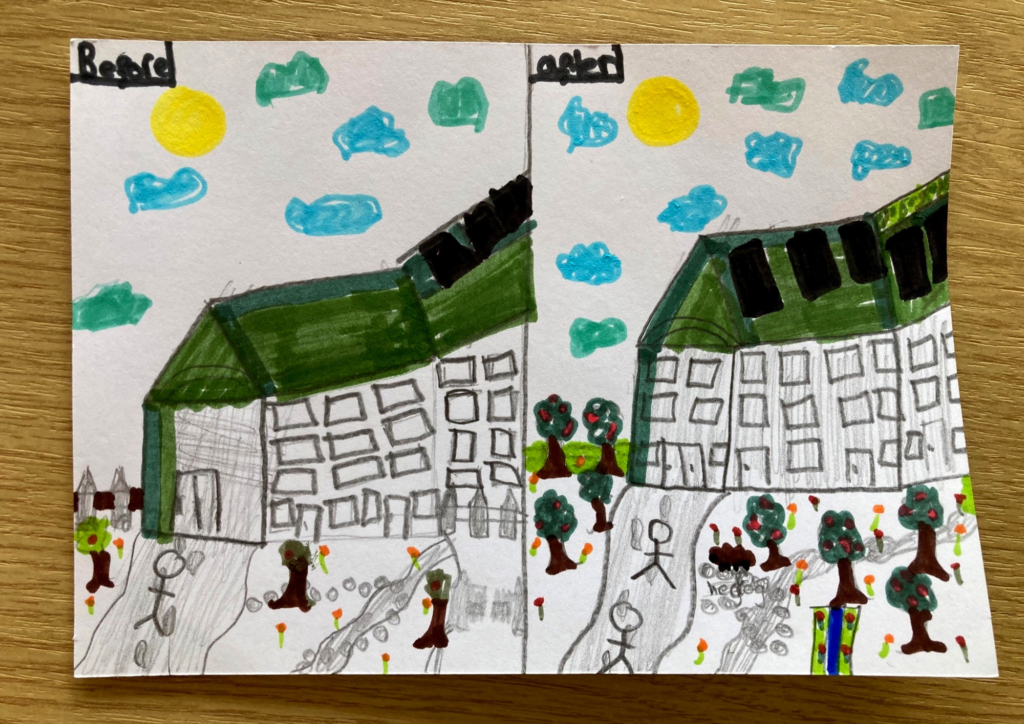
These workshops also demonstrated that the measures involved in adapting our places to be resilient to climate change also make them nicer places to live. From increasing green spaces to absorb rainwater naturally, to strengthening the local community centre to support the most vulnerable during extreme weather, the suggestions which Oxgangs residents came up with would make their home a happier, more pleasant, and also climate-resilient place.
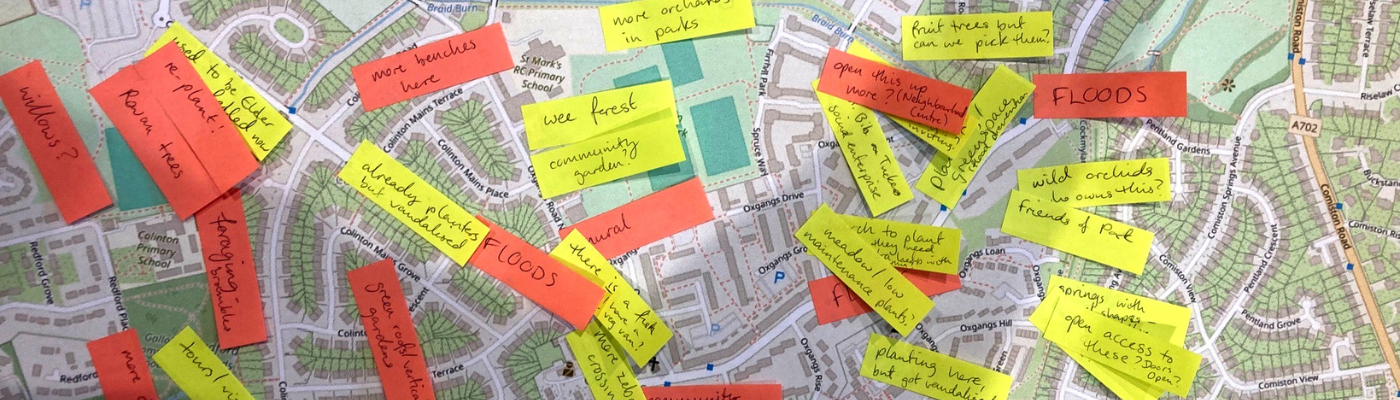
After Denise and Alison had collected all of the ideas from their community, they presented them in a map format to local councillors and organised a launch party in the local community.
“It wasn’t as scary as I thought it was going to be… it felt good that we’d accomplished something,” said Denise about the council launch. “When we were saying what we’d done and [the councillors] were asking questions, it felt like they were listening,” added Alison.
The local launch party already achieved the solution to one of the main results of Denise and Alison’s research- that residents wanted events and galas, to feel more united as a community. “It was everything that we want for Oxgangs- just a really fun social event with music, lots of different people from different groups stopping by, a really sociable evening,” said Alison.
Credit - Edible Estates
Credit - Edible Estates
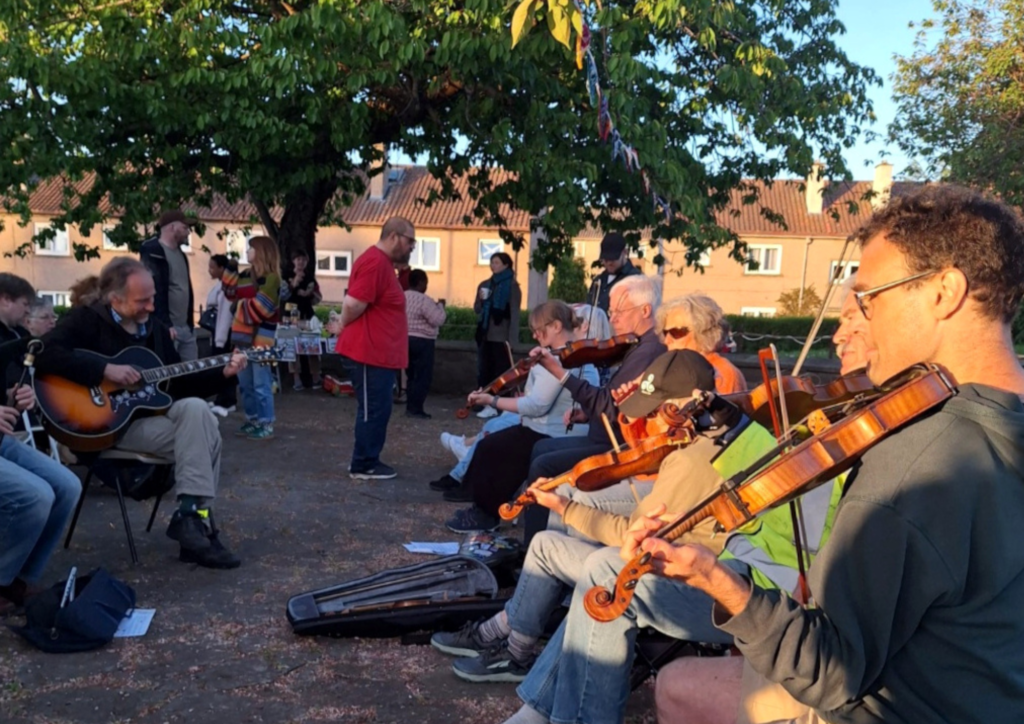
Credit - Edible Estates
Moving Forward
In the time since the Oxgangs climate adaptation plan was created, the Oxgangs Community Gardeners have been making plans to turn a disused bowling green into a community garden. This is another project which will contribute to climate adaptation through improving biodiversity, providing a sustainable food source, and bringing the community together. Three of the attendees of the climate adaptation workshop are now involved in the gardening group, too. The group are planning to integrate many of the ideas from climate adaptation planning into the garden; “I think it would be crazy not to,” Denise said.
Engaging communities in issues around climate can be difficult: particularly communities which are already struggling with day to day life in an expensive economy. But by mobilising, training and supporting local residents to work on engagement projects, Edible Estates was able to achieve a lasting impact- an impact on the councillors who had a valuable opportunity to hear directly from local residents, an impact on communities who saw their own neighbours raising climate issues, and an impact on the community researchers who now live in their communities with bolstered confidence and knowledge on climate.