In Real Life : Moray Waste Busters
How does a struggling composting project accidentally become a thriving local circular economy hub?
Our hosts Sarah, Kaska and Chiara head to Forres to meet Phil Mills, Manager of Moray Waste Busters, where perfectly good things are rescued from the local dump and used to build community wealth. From books for teachers and living wage jobs to affordable treasures and support for local organisations, Moray Waste Busters has become a place where things – and opportunities – are given a second life.
They explore the busy reuse hub, meet its resident Scottish Womble, and get a sneak preview of an ambitious new home for Moray Waste Busters – complete with a café, department-store-style outlet and a roof full of solar panels.
Join us on our visit with Phil by listening below or read more about this inspiring story below below.
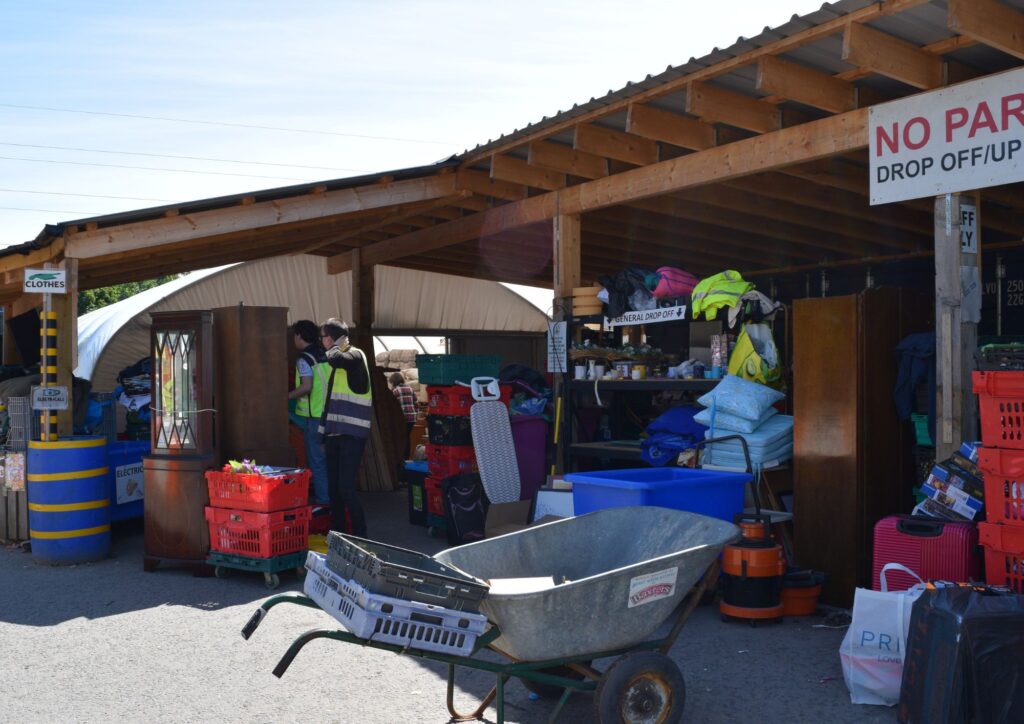
The Waterford Recycling Centre near Forres looks, and sounds, different to most other tips. As you drive round, there are the usual waste disposal units, the crash and clang of items dropping into large containers. But you will also find a large sheltered strip, full of people, tables and crates- trolleys trundling to and fro, shifting and sorting anything from books to grandfather clocks. Behind this busy sorting area is a sprawling maze of shipping containers, sheds and polytunnels- full with customers chattering and browsing a huge selection of household items.
This hive of dump-side activity is the home of Moray Waste Busters. “We’re trying to divert perfectly good items away from the waste stream. How did it happen? By accident.” - that’s Phil Mills, the general manager of Moray Waste Busters.
From Compost to Complete Reuse Pipeline
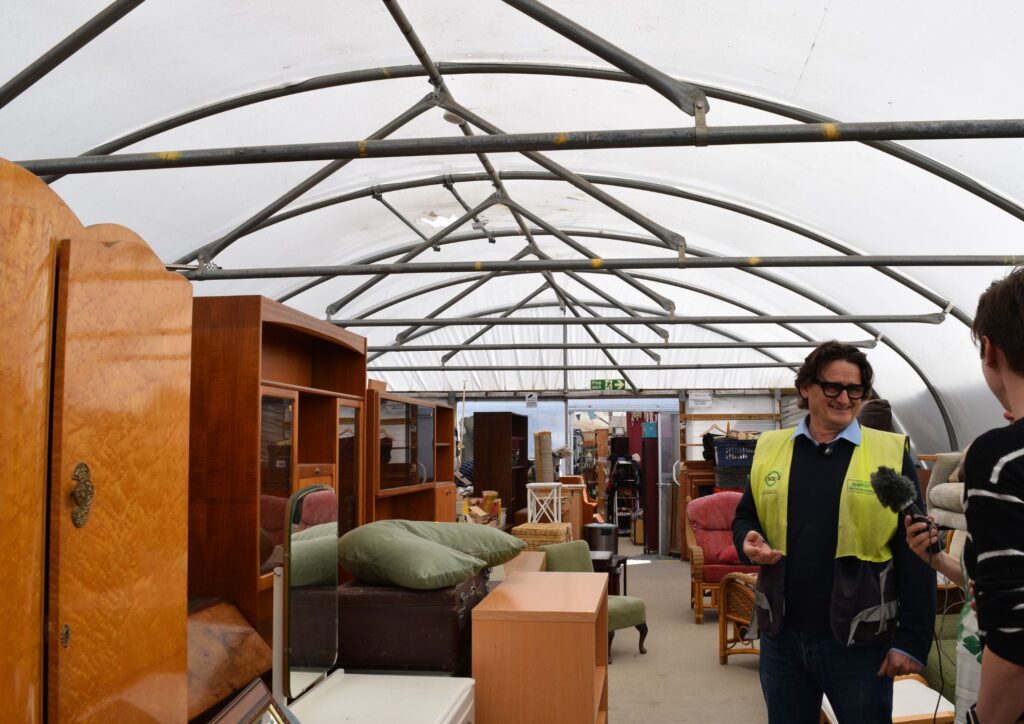
The Moray Waste Busters started off as a composting project in 2002- a project which got off to a good start, but started to struggle after a few years. During that time, the composting team noticed people bringing perfectly usable items to the neighbouring recycling centre, and realised that they might be able to broaden their activities to look at rescuing and reusing items from landfill. Gradually, the reuse project grew and the composting wound down. Now, the original composting polytunnels are full of second hand furniture which has been rescued from landfill to be resold at affordable prices.
The scale of the Moray Waste Busters operation has vastly outgrown the original polytunnels and small composting team - the charity is open seven days per week, gives away or sells 300,000 items per year, employs 30 staff as well as dozens of volunteers. The Waste Busters shopping village includes a book shop, clothing rails, furniture, kitchenware, and bikes.
By the edge of the site is a mountain of walking sticks and zimmer frames which are being shipped to Ukraine, and in another corner there’s the PAT testing station for discarded electricals. Next to that is the repair station where highly skilled volunteers can refurb broken items, alongside metre-tall crates of parts for jetwashes, dysons and other household goods.
Phil Mills“I see us really as being a triage point for stuff. The items that we're able to collect and sell keep us going and keep us sustained, but there's a big need for us just to be the connection… more often than not, somebody's got something, they don't know how to dispose of it. Maybe we can find somewhere for it to go."
Many items are sold on site or online to sustain the organisation financially, however Moray Waste Busters also partners regularly with around 70 other organisations, providing goods for free.
For example, local teachers can take as many books as they want for free. Another woman who receives free books from the Waste Busters places them in local coops, and has sold them in a project which funded the utility bills for the Lossiemouth food bank.
The Waste Busters also helped the local men’s shed to get started, by providing a workspace and tools for free. The mens shed has now outgrown the Waste Busters site and is thriving in its own dedicated space.
The Womble philosophy
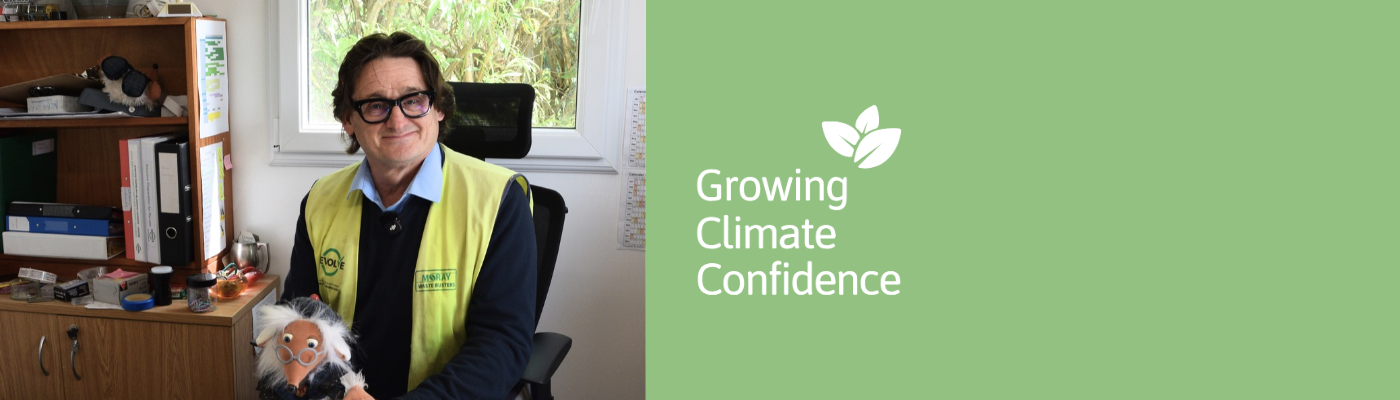
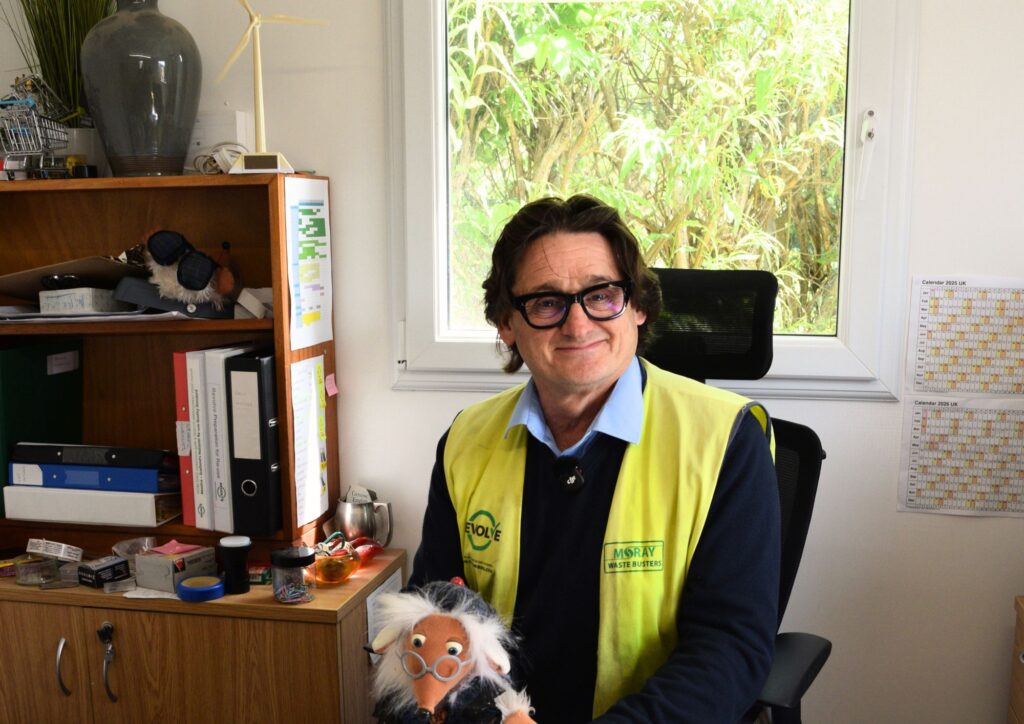
Phil’s office is a treasure trove of weird and wonderful items- from Star Wars collectibles to potentially antique furniture, every donation with a question mark attached to it ends up in there for a decision on where it should go. Of all these items, Phil picks out a plush toy of Uncle Bulgaria, from the 1970s television programme the Wombles, to show us.
“[The Wombles] are reuse champions,” says Phil. “They roam around Wimbledon Common, finding things that have been thrown away and disposed of, and find excellent new uses for them.” The creativity and ingenuity with which the Moray Waste Busters find a use and a home for such a huge volume and variety of items is perfectly represented by this Womble plush toy- and Phil is collecting Wombles to display in the Waste Busters new building.
Outgrowing the polytunnels
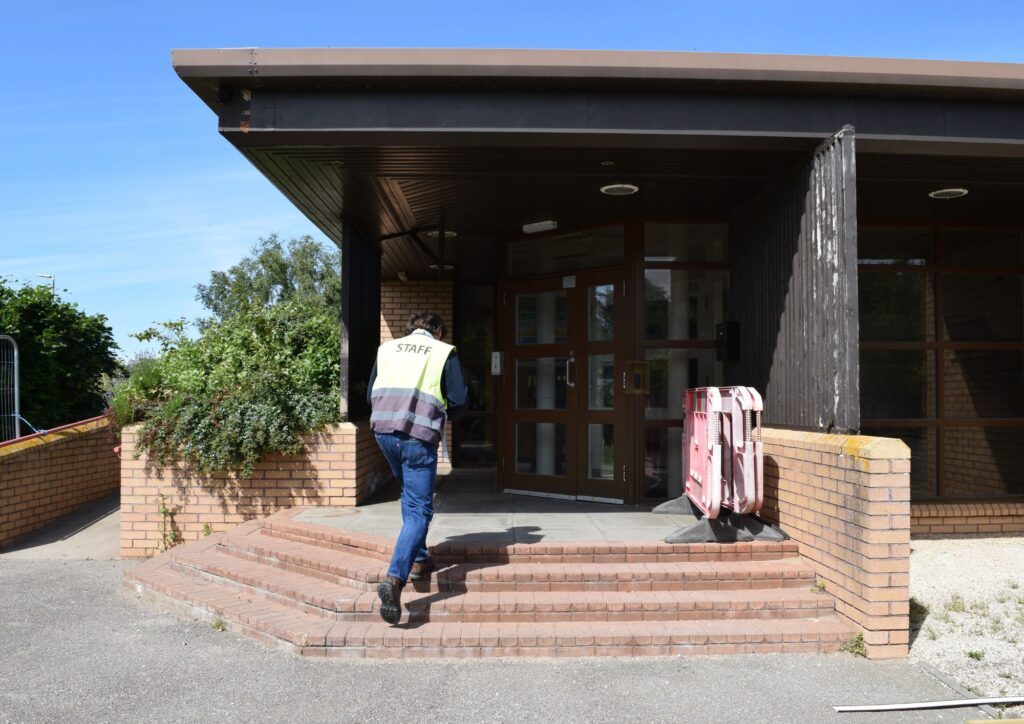
The Moray Waste Busters have now packed as many sheds, containers and polytunnels into their current space as they possibly can- and have been looking for another space for years. Finally, in late 2025, they were able to buy a former call centre in a local business park.
“We've found that our growth has plateaued because of the constriction of the site we're on… it's hard to describe the step change that this will mean for us,” says Phil.
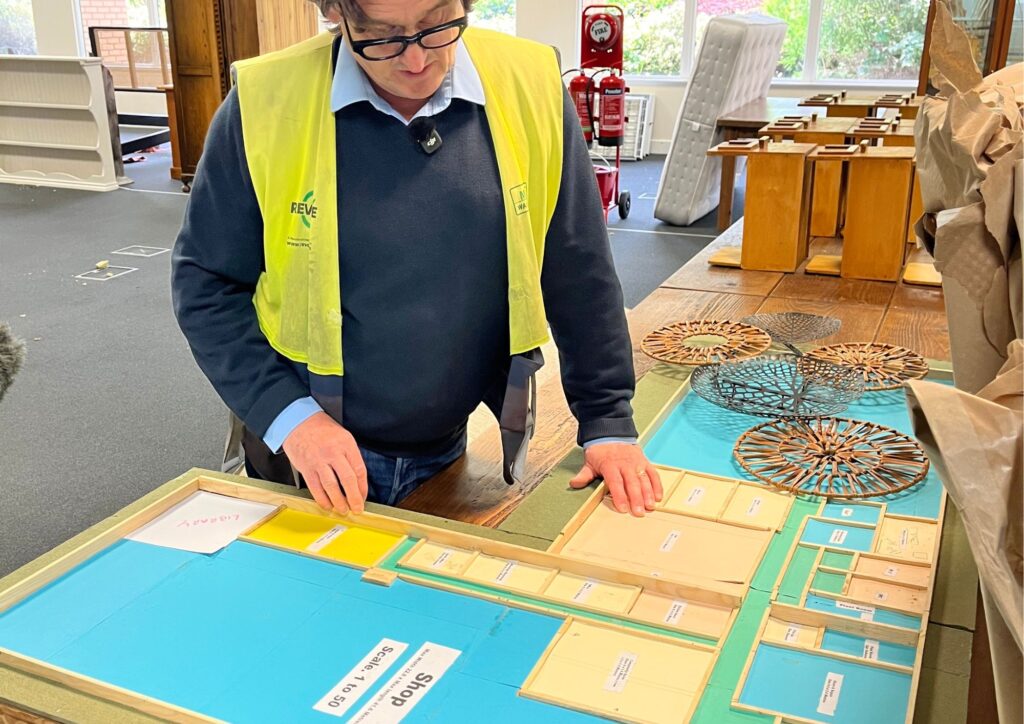
The new building will become an indoor sales space, leaving the current site to be dedicated to sorting donations. A department store style shopfront of furniture, tools, and bric-a-brac arranged as model rooms is already under construction - all from rescued materials, of course. Through the back, there will be a large loading bay for items to arrive from the current site. The building also has space for a cafe, which will be run by local cafe and refill shop Highland Weigh- another social enterprise dedicated to waste reduction.
Making the circular economy as fun as online shopping
Phil Mills“When I first started here, I thought the people who donated would be different from the people who came and bought the items. Over time, I've realized they're one and the same. It's not people doing worthy things by donating for people who are less well off than themselves. It's for everybody.”
In an era of overconsumption, with the rise of ultra-cheap online shops, the idea of a society based on a circular economy seems very distant. But Phil has found that by offering an alternative to online shopping, which is just as affordable - the Moray Waste Busters are able to foster circular economy behaviours among people who wouldn’t normally engage with sustainability issues.
“We get a lot of people come here and they… get so excited about the cheap items they're getting. And they then realize actually they can boast about being environmentally friendly now, even though they're getting their cheap item.” says Phil.
“And to be honest, we all win that way, don't we? 'Cause we're getting the desired behavior, and everybody's happy.”